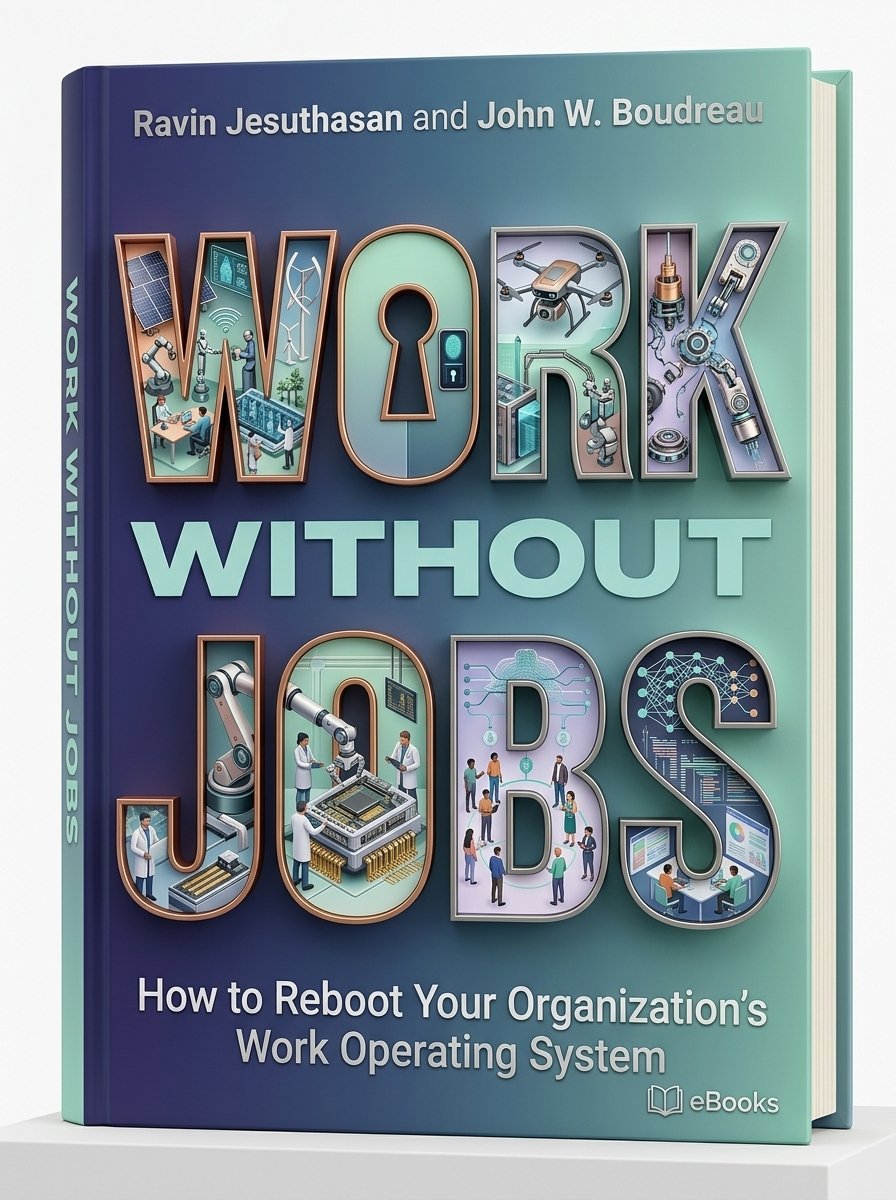
Work without jobs is reshaping how value is created. The traditional nine-to-five role, with its fixed desk and title, no longer defines productivity. Instead, tasks, projects, and outcomes take center stage. People contribute across platforms, collaborate in fluid teams, and move between assignments without being bound by a single employer. This shift separates the act of working from the container of a job—unlocking flexibility, creativity, and access to global talent.
Tasks Replace Job Descriptions
In work without jobs, organizations break roles into discrete tasks. A graphic designer might create a logo in the morning, write social copy at noon, and analyze data by night—all for different companies. Managers stop hiring for rigid positions and start sourcing skills for specific problems. This task-based approach reduces overhead, speeds up delivery, and lets workers focus on what they do best. Job descriptions become obsolete; instead, real-time matching platforms connect demand with ability, rewarding output over attendance.
Outcomes Matter More Than Hours
Work without jobs rewards results, not seat time. A software developer finishes a feature in two hours instead of two days—they don’t wait for Friday. A consultant delivers a strategy without logging forty hours. Companies pay for completed milestones, bug fixes, or approved designs. This outcome-driven model eliminates wasted meetings and idle time. Workers gain autonomy, choosing when and where to perform. Productivity rises because every minute ties directly to a deliverable, not an office schedule.
Fluid Teams Across Borders
Work without jobs assembles teams like Lego bricks: temporary, agile, and purpose-built. A marketing campaign might pull a copywriter from Kenya, a video editor from Brazil, and a media buyer from Canada—no one holds a “job” at the brand’s headquarters. They collaborate for three weeks, dissolve, and reform on new projects. This liquidity allows organizations to scale up or down instantly. Individuals build diverse portfolios instead of climbing single ladders. Loyalty shifts from a corporate employer to a network of collaborators and repeat clients.
Skills Become the New Currency
Work without jobs elevates verified skills above résumés and degrees. A coder with a strong GitHub portfolio wins contracts over a candidate with a master’s. A project manager licensed in agile tools gets hired for sprints, not seniority. Digital badges, peer reviews, and work samples replace job titles. This democratizes opportunity: people from overlooked regions or nontraditional backgrounds compete on merit. Continuous learning becomes essential, as skills expire faster. Workers invest in micro-credentials and real-time feedback loops to stay relevant.
Rethinking Loyalty and Security
Work without jobs challenges old notions of stability. Without a single employer, who provides health insurance, paid leave, or retirement plans? The answer lies in portable benefits, fractional memberships, and worker-owned platforms. Loyalty no means staying thirty years; it means delivering quality so clients return. This model rewards reliability, communication, and adaptability. While it demands entrepreneurial self-discipline, it also frees people from toxic bosses and office politics. The future of work is not jobless—it is job-fluid, human-centered, and built on trust.