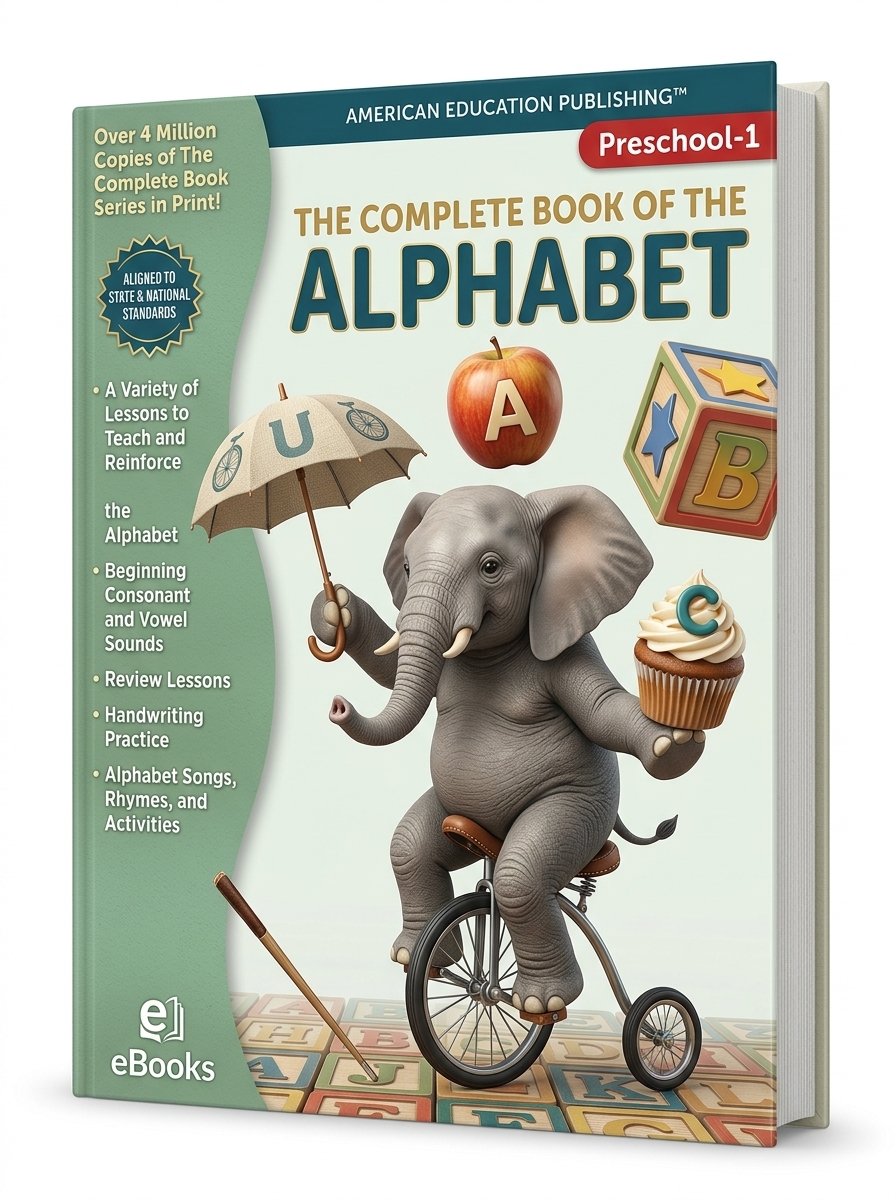
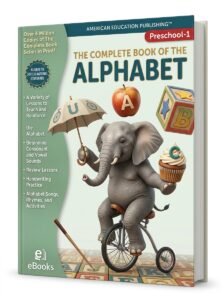
The Complete Book of Alphabet is more than a list of letters—it is a gateway to language, thought, and culture. From A to Z, each symbol carries sounds, shapes, and stories that have evolved over millennia. This imagined volume holds every script, from ancient Phoenician carvings to modern digital fonts. It teaches children to read, helps adults learn new writing systems, and preserves dying alphabets. Within its pages, order meets creativity, and small marks unlock infinite expression.
A Is for Architecture of Language
The Complete Book of Alphabet begins with how letters form the skeleton of speech. Each character represents a phoneme or sound, and when arranged correctly, they build words, sentences, and entire libraries. Unlike logographic writing, alphabets use fewer than forty symbols to create millions of combinations. This efficiency allowed literacy to spread across classes and continents. The book explains how alphabets emerged independently in Egypt, Greece, and Korea, always following a pattern: simple shapes representing common sounds. Without this architectural foundation, written language would remain an elite mystery.
B Is for Bridging Cultures
The Complete Book of Alphabet shows how letters travel across borders. The Roman alphabet we use today journeyed through Etruscan, Greek, and Phoenician hands. Arabic script flows right to left, connecting twenty-two countries. Cyrillic alphabets unite Slavic languages while reflecting Byzantine influences. This book maps those migrations, revealing how conquest, trade, and religion carried letters from stone tablets to smartphones. A single character—like ‘A’ from an ox’s head—bears thousands of years of adaptation. Understanding these bridges fosters respect for scripts vastly different from our own.
C Is for Child’s First Discovery
The Complete Book of Alphabet cradles the moment a child recognizes their first letter. That ‘C’ on a cookie box or ‘M’ on a McDonald’s sign sparks decoding, pattern recognition, and pride. The book offers multi-sensory methods: tracing sandpaper letters, singing phonics songs, connecting each character to an animal or object. Research shows that alphabet mastery by kindergarten predicts later reading success. This section becomes a tool for parents and teachers, turning confusion into confidence. Every circled ‘A’ on a coloring page marks a small victory in a lifelong literacy journey.
D Is for Digital Transformation
The Complete Book of Alphabet explores how screens reshaped letters. From ASCII to Unicode, digital encoding gave every alphabet—from Tibetan to Tifinagh—a universal address. Fonts evolved from carved metal to infinitely scalable vectors. Emoji and GIFs now compete with letters, but alphabets endure because they carry abstract thought. This chapter examines keyboard layouts, predictive text, and how children learn touch-typing before cursive. It also warns of handwriting decline, yet celebrates how digital tools revive endangered scripts through apps and open-source fonts. Letters adapt; they always have.
Z Is for Zenith of Imagination
The Complete Book of Alphabet closes with what letters make possible: poetry, law, love notes, and code. With twenty-six simple shapes, humans have drafted peace treaties and written novels, composed rap lyrics and programmed spacecraft. The final chapter invites readers to invent their own alphabet—as Tolkien did for Elvish or teenagers do for secret diaries. It argues that mastering letters is not an end but a beginning. Every child who writes their name for the first time joins a chain of scribes stretching back five thousand years. The alphabet is complete. Your story is not.