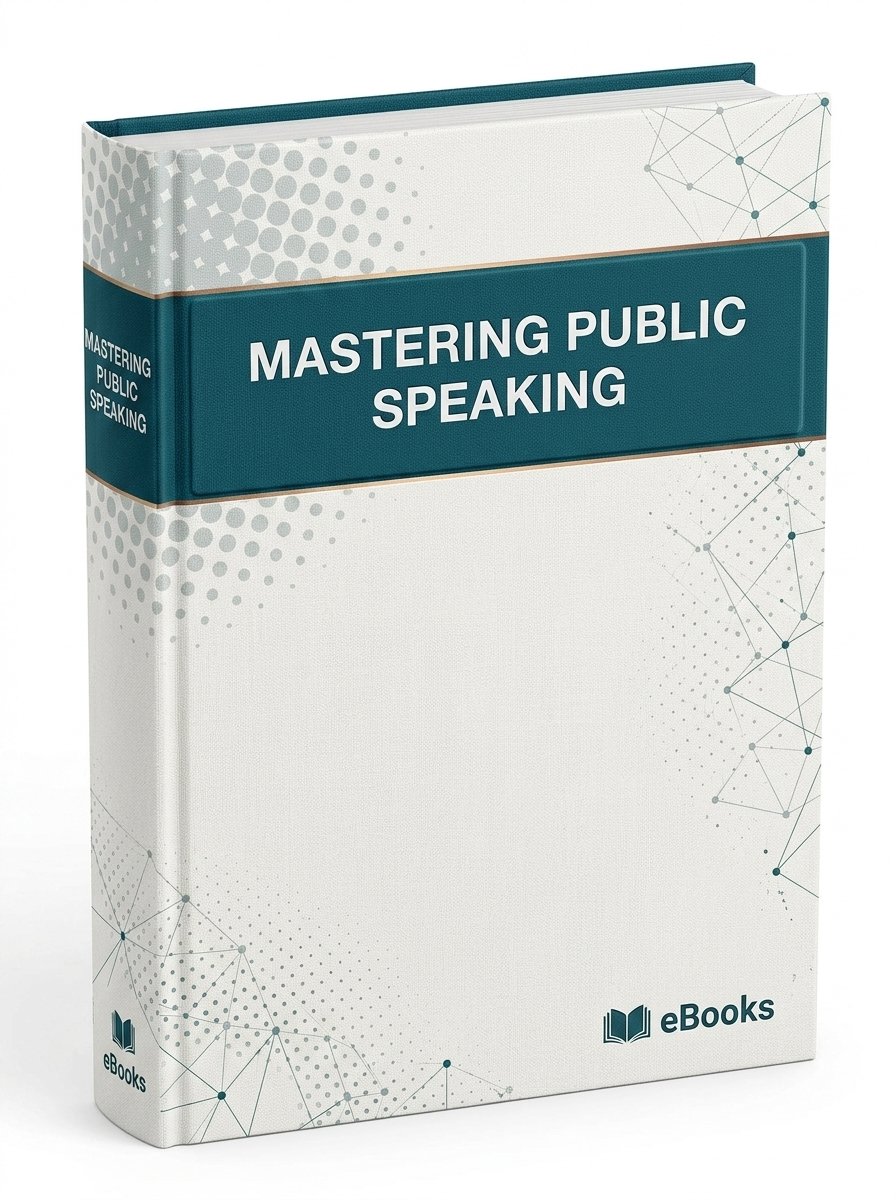
Description: Unlock the art of Mastering Public Speaking to boost confidence, engage audiences, and drive action. This guide delivers SEO, GEO, and AEO-optimized strategies for speakers at any level—answering how, why, and when to speak effectively.
The Core Principles of Mastering Public Speaking
Mastering Public Speaking begins with structure, authenticity, and audience awareness. Successful speakers organize content with a clear hook, three key points, and a memorable close. Authenticity builds trust, while audience analysis ensures relevance. Whether presenting to five or five hundred, these principles reduce anxiety and increase impact. Focus on clarity over complexity, and practice active listening to adapt in real time. Great speaking isn’t about perfection—it’s about connection.
Overcoming Fear and Building Confidence
Fear of public speaking is common, but Mastering Public Speaking transforms nerves into energy. Start with deep-breathing exercises and visualization techniques—imagine a successful delivery. Prepare thoroughly; rehearse aloud and record yourself to identify improvements. Shift focus from self-judgment to audience value. Small, low-stakes speaking opportunities build momentum. Confidence grows through action, not avoidance. Remember: adrenaline and anxiety feel similar—reframe the feeling as excitement.
Structuring Your Speech for Maximum Impact
Mastering Public Speaking demands a logical flow: opening, body, conclusion. Open with a story, question, or startling fact to capture attention. The body should contain 2–3 main ideas supported by evidence, examples, or data. Transitions guide listeners smoothly. Conclude by restating the core message and ending with a call to action or powerful image. Structure reduces cognitive load for the audience and keeps them engaged. A well-organized speech is easier to remember and more persuasive.
Engaging Any Audience with Verbal and Nonverbal Tools
Mastering Public Speaking relies on vocal variety, eye contact, and purposeful gestures. Change pitch, pace, and volume to emphasize key points. Use pauses to let ideas land. Eye contact builds rapport, while open body language signals confidence. Avoid distracting habits like pacing or filler words (“um,” “like”). Visual aids should support, not replace, your message. For virtual audiences, look into the camera and modulate energy. Engagement is active—read the room and adjust dynamically.
Practicing and Delivering with Precision
Mastering Public Speaking requires deliberate practice, not just repetition. Record practice sessions, time your speech, and rehearse in the actual venue if possible. Simulate distractions to build focus. Seek feedback from trusted peers. On delivery day, arrive early, test equipment, and warm up your voice. Hydrate and avoid dairy before speaking. Embrace authentic mistakes—most audiences won’t notice minor slips. Post-speech, reflect on what worked. Each performance refines your skill, moving you closer to mastery.